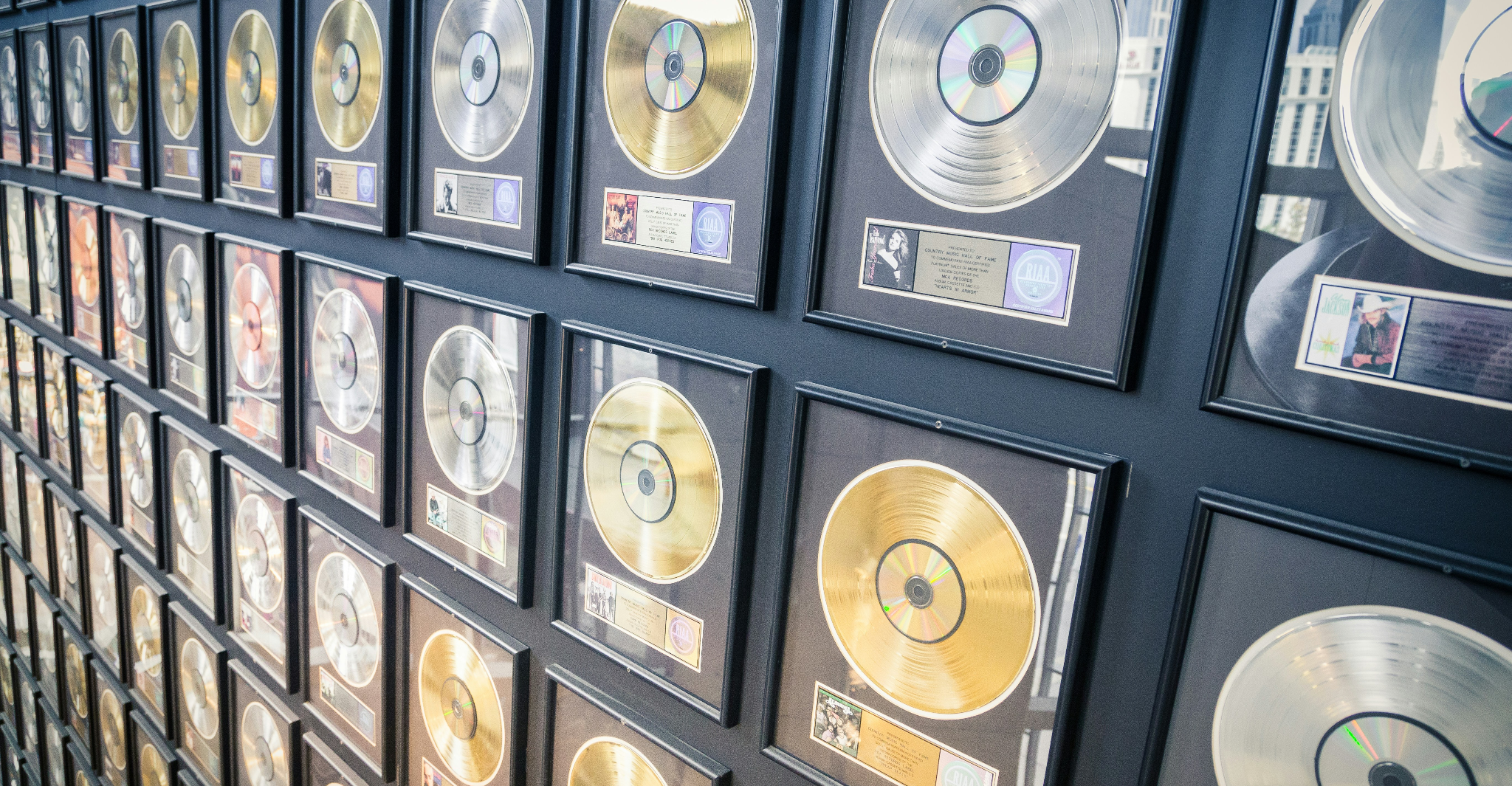
As a music fan, I can’t help but to think about the influence of gold and silver. Throughout the history of music, gold and silver have carried meanings far beyond their value as precious metals. Songwriters, performers, and composers have used them as symbols of love, success, heartbreak, spirituality, and ambition. From classical compositions to modern pop lyrics, these shimmering metals continue to shape musical storytelling and visual culture.
Gold has traditionally symbolized wealth, triumph, and glamour. In music, it often represents achievement or unattainable desire. The phrase “gold record” itself became one of the most recognized honours in the recording industry, awarded to artists whose albums or singles reached major sales milestones. For musicians, going gold is more than a commercial accomplishment, it is a cultural marker of popularity and influence.
Many famous songs use gold imagery to communicate emotional intensity or status. Gold Dust Woman by Fleetwood Mac blends mystical imagery with themes of excess and emotional struggle, reflecting the turbulence behind the band’s legendary success. Similarly, Fields of Gold by Sting uses golden fields as a poetic symbol of memory, love, and the passage of time. In both songs, gold becomes emotional rather than material.
Silver, meanwhile, often carries a softer and more mysterious symbolism. While gold is associated with the sun and power, silver is linked to the moon, reflection, and melancholy. Musicians frequently use silver imagery to create dreamy or emotional atmospheres. One classic example is Silver Springs, another emotionally charged track connected to heartbreak and unresolved relationships. Silver can suggest elegance and beauty, but also distance and sadness.
The influence of gold and silver extends beyond lyrics into stage design, fashion, and artist identity. During the glam rock era of the 1970s, performers embraced metallic costumes and futuristic aesthetics. Artists such as David Bowie and Elton John used gold and silver clothing to project theatricality, fame, and otherworldliness. Metallic fashion helped musicians transform concerts into visual spectacles, reinforcing the connection between music and luxury.
Gold and silver have also shaped the music business itself. The terms “gold,” “platinum,” and “silver” certifications are deeply embedded in the industry’s language of success. These awards recognize commercial achievements and help define an artist’s legacy. A gold-certified album can launch a career, while multi-platinum status can secure global fame.
Beyond popular music, classical composers have long associated gold and silver with grandeur and spirituality. Operas and orchestral works often reference golden crowns, silver bells, or jewelled treasures to evoke royalty and divine beauty. Film composers continue this tradition today, using shimmering orchestration to musically imitate the brilliance of precious metals.
In modern music videos and live performances, gold and silver remain powerful visual tools. Gold lighting conveys warmth, extravagance, and celebration, while silver tones create futuristic or emotional moods. Together, they help artists craft memorable identities and emotional experiences for audiences.
The enduring presence of gold and silver in music reflects humanity’s fascination with beauty, aspiration, and emotion. Whether appearing in lyrics, fashion, awards, or stage design, these precious metals continue to inspire musicians and audiences across every genre and generation.